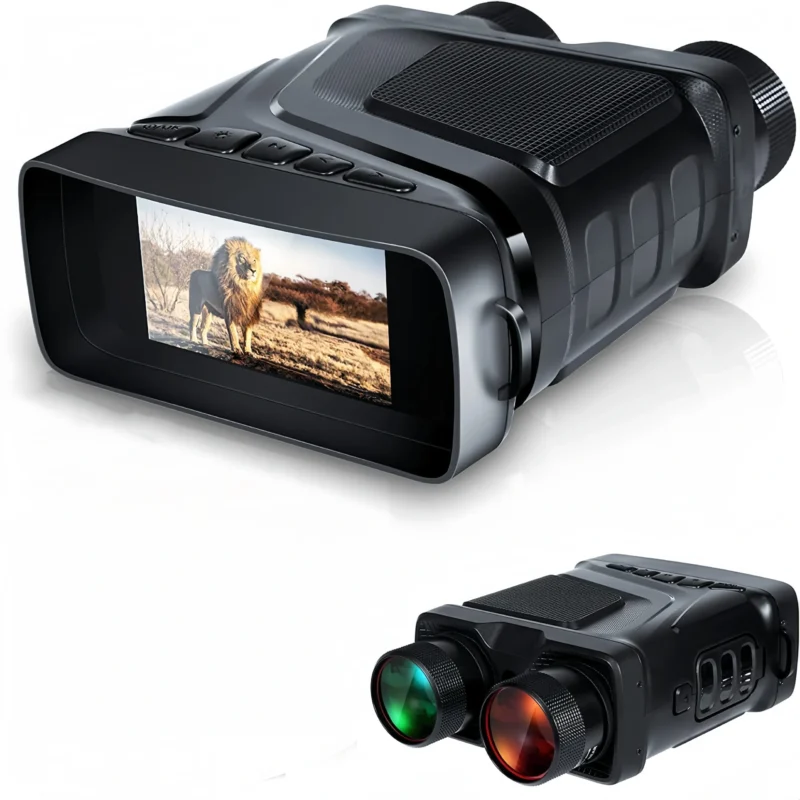
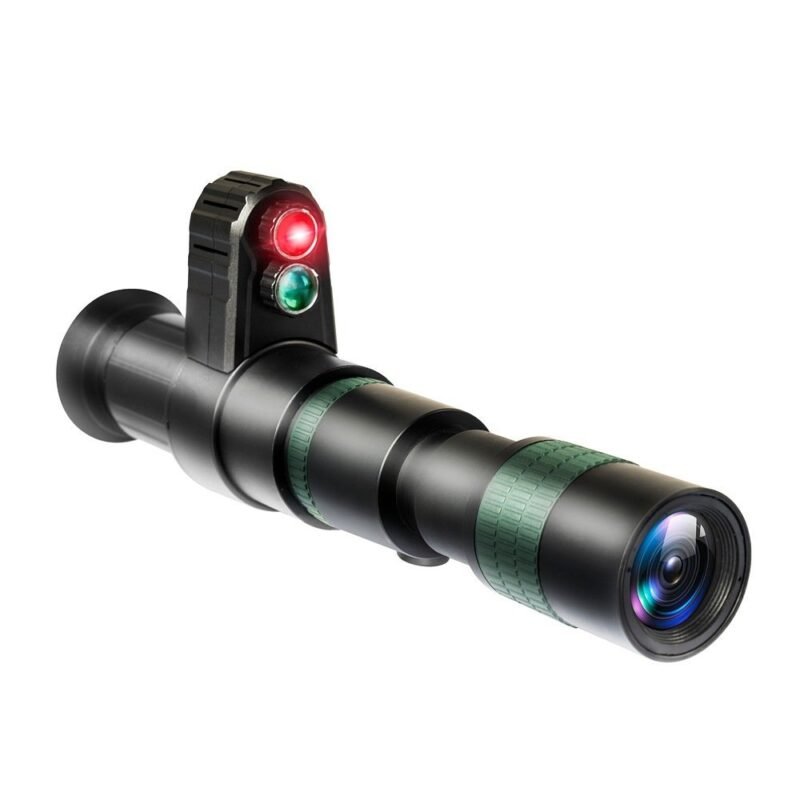
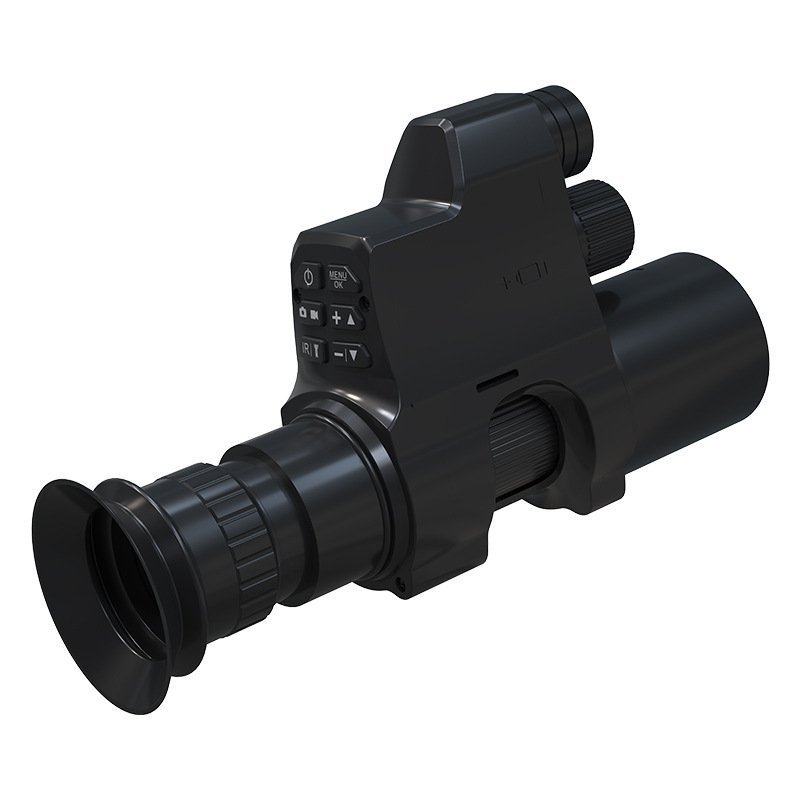
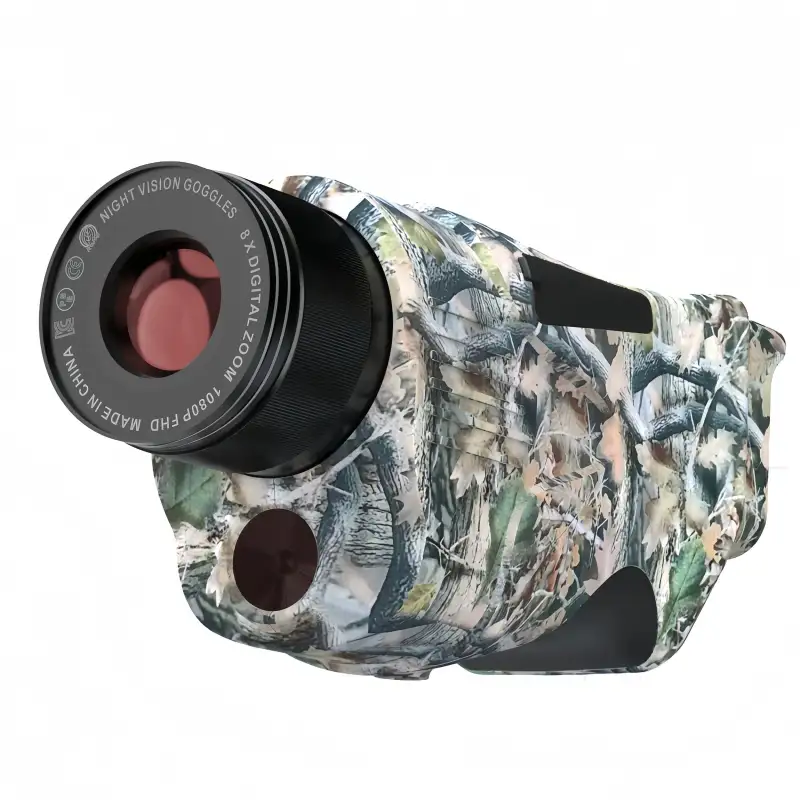
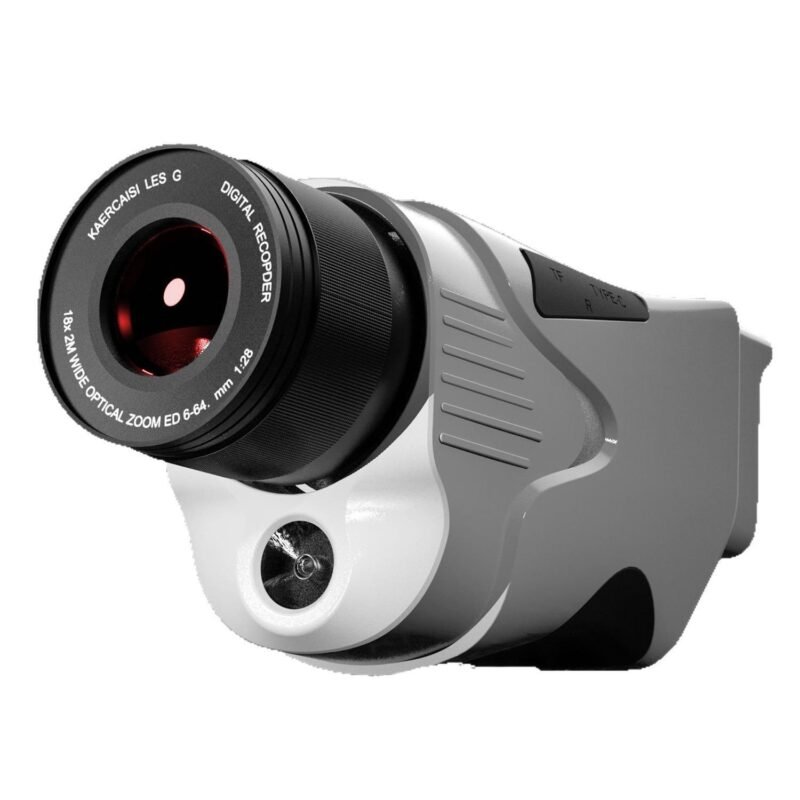
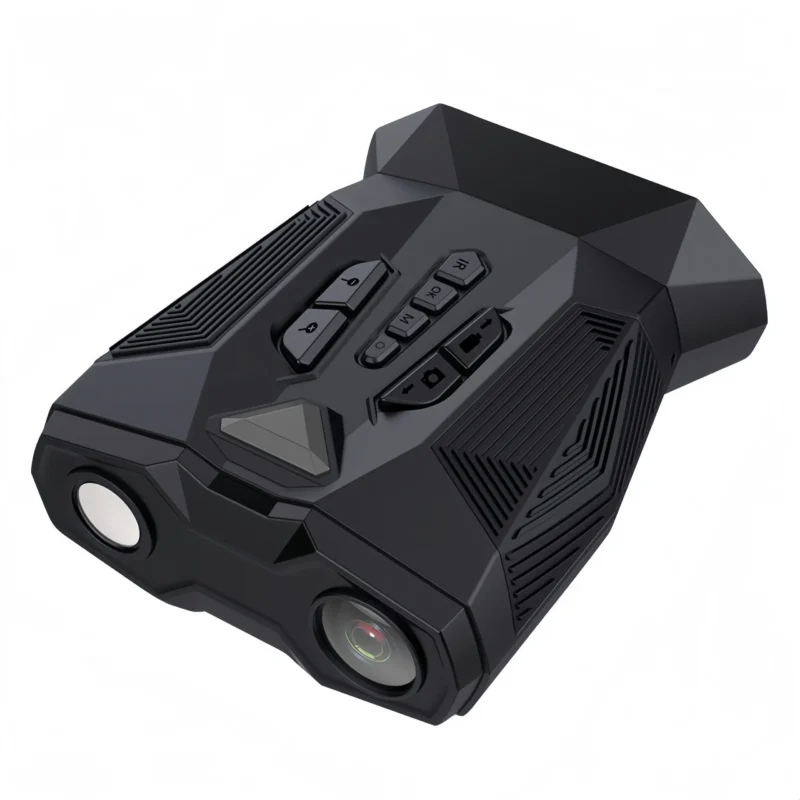
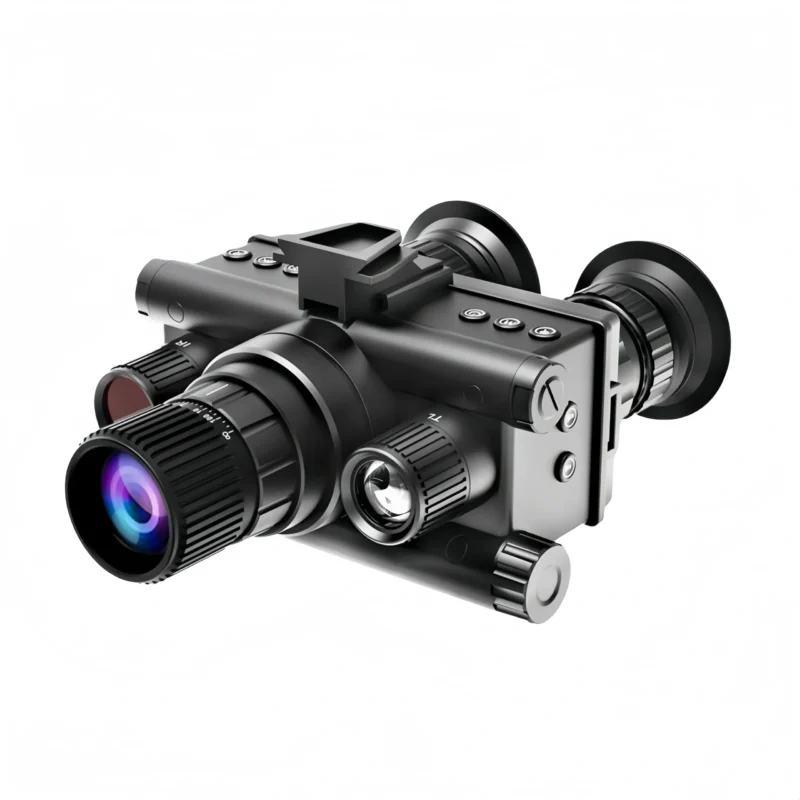
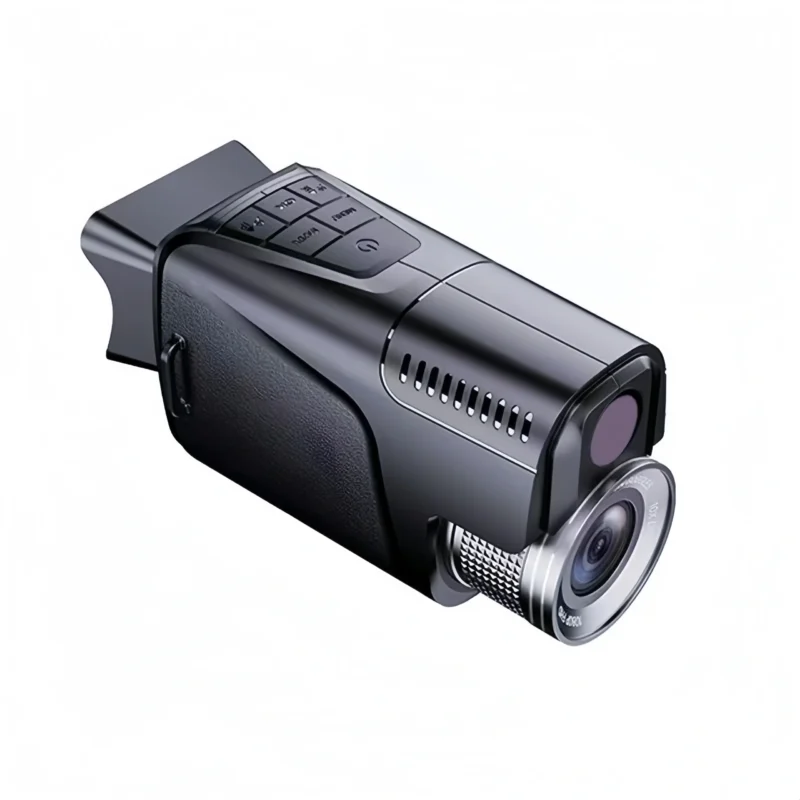
Key Features of Night Vision Goggles
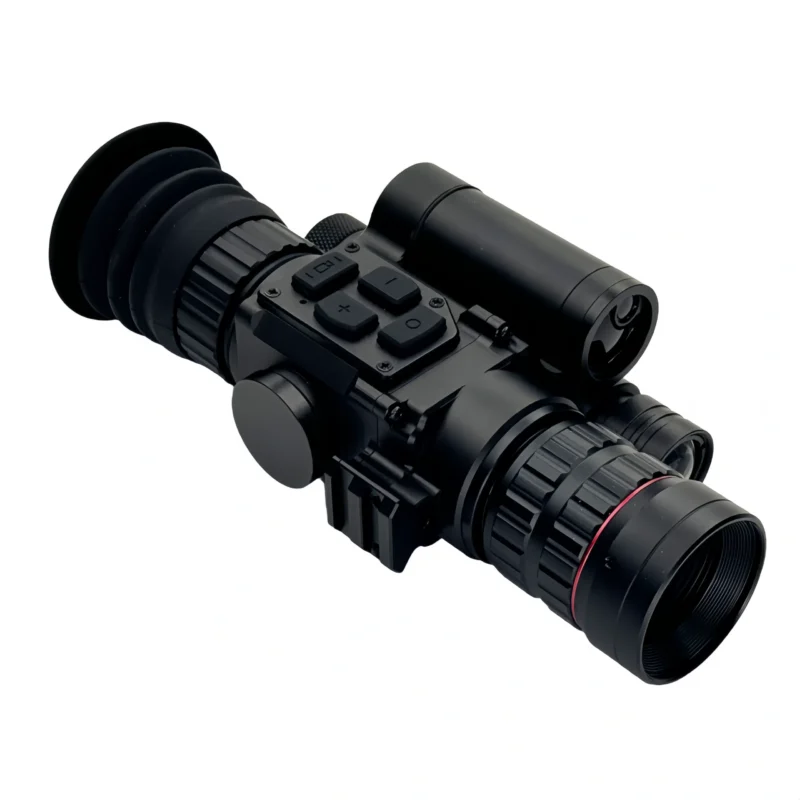
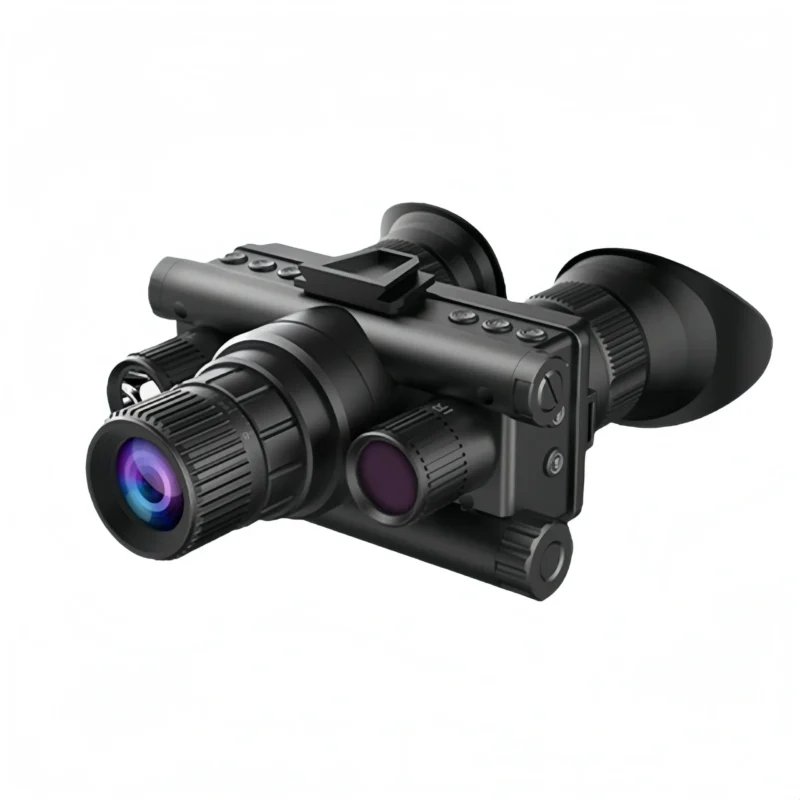
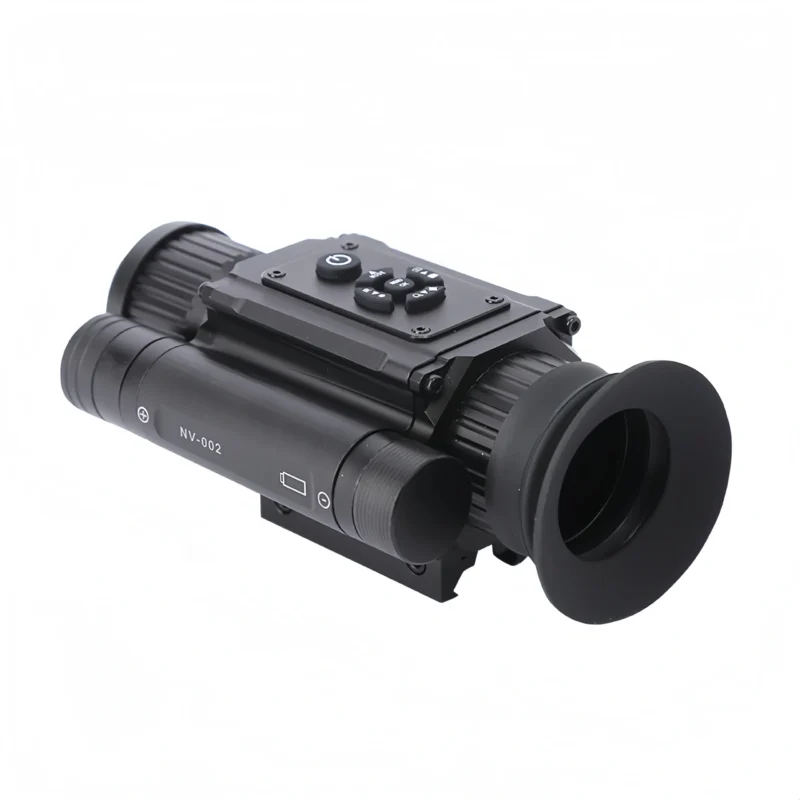
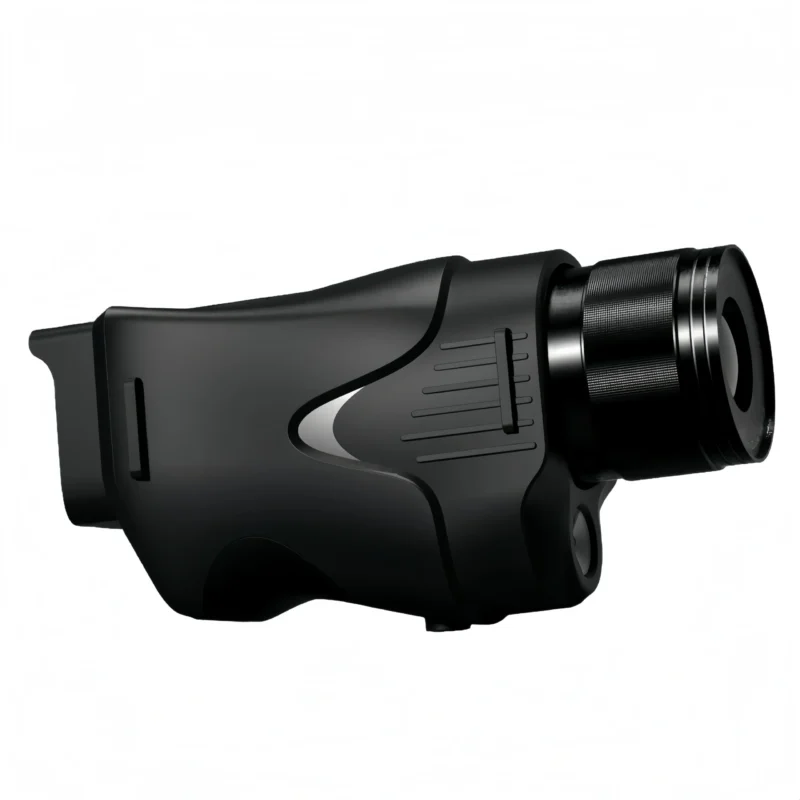
Modern night vision goggles focus on clarity, comfort and runtime: image intensifier or digital low-light sensors lift faint detail without blowing highlights; adjustable IR illuminators extend range in true darkness; wide fields of view and low distortion support smooth movement; multi-coated optics preserve contrast; helmet- or head-mount options keep your hands free; diopter and interpupillary adjustments tailor the view to your eyes; rugged housings with water- and dust-resistance withstand field conditions; and efficient power systems with replaceable cells or USB-C packs deliver long sessions between charges.
When Night Vision Goggles Make Sense
Choose night vision goggles when you need situational awareness while moving, mapping or working at night: hikers and campers benefit from safe trail navigation and campsite checks; wildlife watchers observe animals with minimal disturbance; landowners and security teams monitor perimeters without bright white light; boaters, SAR volunteers and outdoor instructors gain a stable, heads-up view that supports communication and coordination in low light.
How to Choose the Right Night Vision Goggles
Match your night vision goggles to your environment and tasks: pick digital night vision for flexible recording and daytime use, or image-intensifier models for natural, low-lag viewing; prioritize resolution and signal-to-noise ratio for detail in foliage and shadows; balance magnification with field of view—1× for navigation, low power (up to ~2×) for scanning; confirm helmet/head-mount compatibility, weight and center of gravity for comfort; check IR wavelength (850 nm for reach, 940 nm for stealth), battery type and expected runtime; and look for IP ratings, operating temperature range and warranty support suited to your climate.
Care & Maintenance
Keep night vision goggles performing by storing them dry and padded, cleaning lenses with a blower and microfiber cloth, avoiding direct bright-light exposure that can degrade intensifiers, updating firmware on digital units, inspecting mounts and straps for wear, and rotating or recharging batteries before outings so runtime matches your plan.
Safety & Responsible Use
Use night vision goggles responsibly by maintaining light discipline, respecting wildlife and private property, and confirming local rules for nighttime observation and lighting; practice walking and re-sheathing tools with the goggles on before real trips, and avoid driving with night vision unless your jurisdiction, training and equipment explicitly allow it.
FAQ: Night Vision Goggles Basics
Are night vision goggles the same as thermal? No—night vision amplifies ambient/IR light to show realistic scenes, while thermal detects heat; many users carry both for complementary awareness. Can I use them in daylight? Digital units often can at reduced gain; intensifier tubes generally should not be exposed to bright light. What range can I expect? Usable identification depends on sensor quality, IR power, atmosphere and target contrast—expect navigation-grade clarity at close to mid distances, with identification range increasing as optics and IR output improve.